Postal Dog Design Review
A Practical Embroidery Designer’s Take on Real-World Brand Use
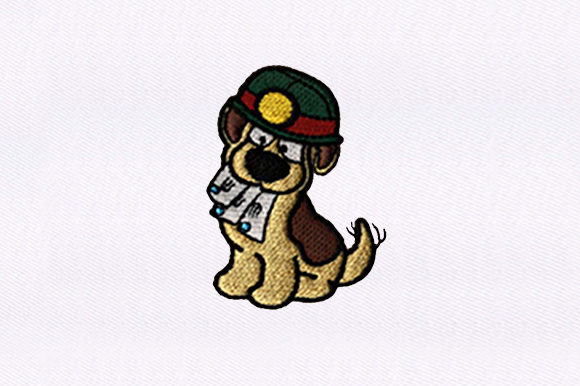
As an embroidery designer who’s developed hundreds of machine embroidery designs for small businesses—from neighborhood bakeries to indie pet brands—I approached the Postal Dog Design with a clear question: *Does this work as functional brand equity, not just decoration?* The name alone suggests approachability and narrative—“postal” evokes trust, delivery, reliability; “dog” adds warmth, loyalty, and local charm. That combination lands as friendly, professional, and quietly confident—not overly playful, not stiffly corporate. It reads as modern-classic: clean enough for a boutique apron, personable enough for a handmade tote bag or café cap.
Where Postal Dog Design Shines in Small Business Merch
This design excels where brand visibility meets daily wear. On embroidered patches—sewn onto denim jackets, staff aprons, or product packaging—it holds visual weight without overwhelming. Its implied motion and balanced silhouette scale well from 2.5” to 4”, making it ideal for chest logos on uniforms, sleeve accents on work shirts, or front-of-cap placements. For Etsy sellers and craft-based brands, the Postal Dog Design reinforces a handmade product story while still feeling polished—no cartoonish exaggeration, no fussy linework that frays after three washes.
It also performs strongly across varied substrates. On medium-weight cotton tote bags? Crisp and legible. On twill caps with structured fronts? Holds shape without excessive stitch density. On linen-blend aprons? Reads clearly against natural fiber texture. And because it’s delivered as a full suite of embroidery file formats—including PES, DST, VP3, and HUS—the design integrates seamlessly into most commercial embroidery workflows, whether you’re running a single Brother PR670 or managing a multi-head Tajima shop.
Smart Placement & Situations to Approach Thoughtfully
Like any strong machine embroidery design, Postal Dog Design rewards intentional use—and reveals its limits when pushed too far. Avoid placing it below 2” on curved surfaces like baseball cap crowns or tight collar bands unless you’ve tested the fill integrity at that size. Fine interior details (like subtle ear contouring or paw definition) may soften on textured fabrics—think heavy canvas or looped terry—so always pair it with appropriate cutaway or tear-away stabilizer based on fabric stretch and weight.
Also consider thread color contrast carefully. While the design likely includes clean outlines and moderate fill areas, dark uniforms (navy, charcoal, black) demand high-contrast thread—navy + gold, black + cream, or deep green + off-white—to maintain legibility after repeated laundering. Don’t assume default thread choices will translate across all garment colors. And if your small business merch includes frequent-wash items—like staff aprons or reusable shopping totes—verify stitch density isn’t so high that it compromises flexibility or creates rigid, cracking zones over time.
How It Strengthens Brand Identity & Customer Trust
In merchandising, consistency is credibility. The Postal Dog Design functions as a unifying visual anchor: same confident profile on a café’s embroidered sleeve patch, same refined outline on a florist’s branded tote, same trustworthy presence on a pet brand’s custom apparel line. That repetition builds recognition faster than text-only logos—especially in local markets where visual recall drives foot traffic and word-of-mouth.
More importantly, it signals intentionality. Customers notice when a small business invests in quality embroidery—not just a printed sticker slapped on a bag. A well-executed Postal Dog Design on a hand-stitched patch tells them: *This brand values craft, detail, and longevity.* That perception lifts perceived product value, supports premium pricing, and deepens emotional connection—particularly with audiences who support handmade product and community-rooted businesses.
Essential Embroidery Designer Notes Before Production
Before cutting fabric or loading hoops, run these checks:
- Test in black and white first. Confirm the design reads clearly without color context—this reveals spacing issues, thin strokes, or unintended negative space.
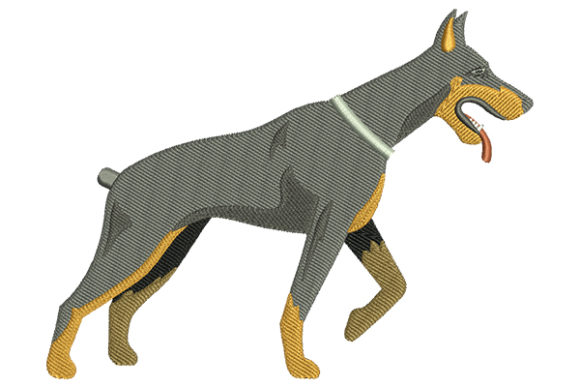
- Verify small-patch viability. Resize to your smallest intended use (e.g., 1.75” for lapel patches) and inspect stitch continuity in key areas like the dog’s eye, muzzle, and tail tip.
- Review thread color contrast on target fabric. Print a physical swatch mockup using your actual thread palette—digital previews lie about saturation and sheen.
- Inspect spacing and underlay. Look for floating elements or isolated stitches that could snag. A solid underlay layer matters more than flashiness for durability.
- Confirm hoop size compatibility. Match the design’s largest dimension to your available hoop—don’t force a 5” wide design into a 4” hoop without re-hooping or redesign.
- Test on real fabric + stabilizer combo. Run a sample on your exact garment or patch material—not just muslin. Fabric texture changes everything.
- Create a printable mockup for client approval. Especially for small business clients who may not read embroidery files—show them how it lives on the finished product.
- Compare beside existing design assets. Does the Postal Dog Design harmonize with your current logo, typography, and brand palette—or clash subtly?
- Confirm commercial licensing terms. Since this is a digital embroidery file for business use, ensure redistribution rights, resale permissions, and attribution requirements align with your model—whether you’re selling finished patches or offering embroidery-as-a-service.
Final Thought: A Versatile Asset for Intentional Brands
The Postal Dog Design isn’t just another dogs-themed embroidery file. It’s a considered visual tool—structured enough for professional apparel, warm enough for community-facing brands, and flexible enough to evolve with your small business merch strategy. Whether you’re stitching it onto a florist’s canvas apron, a pet groomer’s cap, or a local bakery’s reusable tote bag, it delivers clarity, character, and quiet confidence. Used thoughtfully—with attention to fabric, scale, thread, and context—it becomes more than decoration. It becomes part of your brand’s voice.