Cosplay Baseball Design
First Impressions: Bold, Playful, and Instantly Recognizable
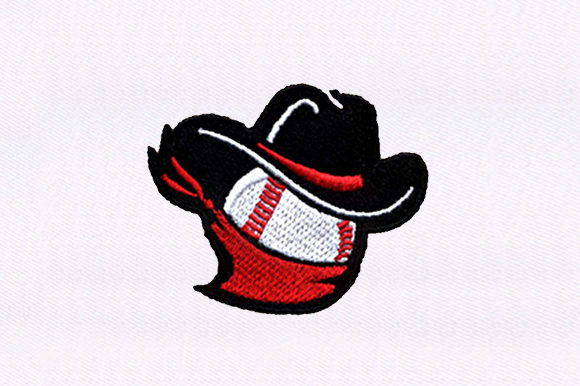
When I opened the Cosplay Baseball Design file, what struck me first wasn’t technical precision—it was personality. This isn’t a generic sports emblem or minimalist logo; it’s a stylized, energetic nod to baseball fandom with cosplay flair—think exaggerated stitching lines, expressive typography, and just enough cartoonish charm to feel approachable without sacrificing sporty credibility. The layout balances symmetry and movement: a centered baseball motif anchors the design, while dynamic lettering curves around it like a vintage team banner. It reads as friendly but confident—perfect for a handmade tote bag destined for a comic-con weekend or a custom sweatshirt for a youth league coach who also runs a D&D podcast.
Where It Shines: Real Projects, Real Customers
I tested Cosplay Baseball Design on a midweight cotton twill tote bag—no lining, no interfacing—and the result landed exactly where I hoped: eye-catching but not overwhelming. The satin stitch outlines held crisp definition, and the fill stitch areas (like the baseball’s red stitching) retained texture without pilling. For Etsy sellers, this is a strong candidate for “personalized fan gear” listings—especially paired with a name or team nickname in a complementary font. As a small shop owner, I’d confidently use it on unisex sweatshirts for seasonal pop-up markets: the scale works well at 4.5" wide, and the visual weight holds up even when viewed from across a crowded craft fair aisle.
It also translated beautifully onto a baby onesie—scaled down to 3.2"—with light stabilizer and soft poly thread. Parents love themed nursery decor that feels intentional, not gimmicky, and Cosplay Baseball Design avoids cliché by leaning into character rather than literalism. On tea towels? Yes—especially when stitched in navy and white thread on natural linen. The contrast reads cleanly, and the design’s balanced negative space keeps it from looking “busy” in a kitchen setting.
Where to Pause—and Why
This isn’t a one-size-fits-all embroidery file. On stretchy fabrics like jersey or lightweight knits, I recommend testing with tear-away + cut-away stabilizer combo—some of the curved satin stitches near the baseball’s seams can shift if tension isn’t dialed in. Also, avoid using Cosplay Baseball Design on very thin fabric (like voile or rayon challis) without backing; the fill density is moderate but still substantial enough to show through or distort delicate weaves.
Curved surfaces—caps, beanies, or curved pillow covers—require extra attention. The top arch of the lettering and outer baseball outline may need slight digitizing tweaks for optimal cap embroidery, depending on your machine’s capabilities. And while the design includes clean, legible lettering, the smallest details (like tiny star accents or fine interior lines) won’t resolve well under 3" hoop size or on textured fabrics like terry cloth or heavy fleece. If you’re planning embroidered patches, confirm whether the file includes an applique version—Cosplay Baseball Design appears to be a full-coverage machine embroidery design, so layering it over fabric bases will require careful trimming and finishing.
What It Adds—Beyond Thread and Fabric
Customers don’t buy embroidery files—they buy confidence, consistency, and clarity. Cosplay Baseball Design delivers all three when used intentionally. Its cohesive visual language strengthens brand trust: whether you're selling personalized gifts or building a boutique line around hobbyist culture, this design signals craftsmanship and audience awareness. It elevates a plain sweatshirt into a conversation starter, transforms a generic kitchen towel into a curated gift, and gives handmade products that subtle polish customers associate with professional design—not just DIY effort.
For digital product sellers, its broad format support (PES, DST, HUS, VP3, JEF, and more) means fewer customer support requests about compatibility. That matters when you’re managing an Etsy shop alongside client work. And because it avoids overly trendy motifs, Cosplay Baseball Design stays relevant beyond a single season—ideal for evergreen listings or small business branding assets.
Designer Notes You’ll Actually Use
- Always test first: Run Cosplay Baseball Design on scrap fabric matching your final project’s weight and weave—even if it’s the same base material. Thread tension shifts fast between cotton duck and canvas.
- Check thread color contrast early: Try it in black-and-white mockups. Some lighter fill areas lose impact on dark fabric unless you boost thread saturation or add a shadow layer.
- Confirm hoop size before cutting: While the design fits comfortably in a 5x7 hoop, verify exact dimensions in your editing software—especially if nesting multiple designs.
- Inspect small details at 200% zoom: Look for stray jump stitches or underlay gaps near corners and letter terminals. A quick cleanup saves rehooping later.
- Stabilizer choice is non-negotiable: Medium-weight cut-away for stable wovens; tear-away + light cut-away for knits; water-soluble topping for dense fill areas on napped fabrics.
- Licensing matters: Cosplay Baseball Design is listed as a machine embroidery design—but confirm commercial use rights before bundling it into digital embroidery packs or reselling finished items at scale.
Final Thought: A Design That Works With You
Cosplay Baseball Design doesn’t shout. It invites. It’s the kind of embroidery file that makes clients say, “Yes—that’s exactly the vibe,” and makes fellow designers nod quietly in recognition. It respects the craft: no excessive density, no fragile micro-details, no assumptions about your machine’s quirks. Used thoughtfully—with attention to fabric, stabilizer, and context—it becomes more than decoration. It becomes part of the story your handmade product tells. And in a market flooded with generic sports motifs, that’s not just practical. It’s valuable.