Snowman Zeke: A Charming Winter Embroidery Design for Personalized Gifts
First Impressions: Sweet, Seasonal, and Surprisingly Versatile
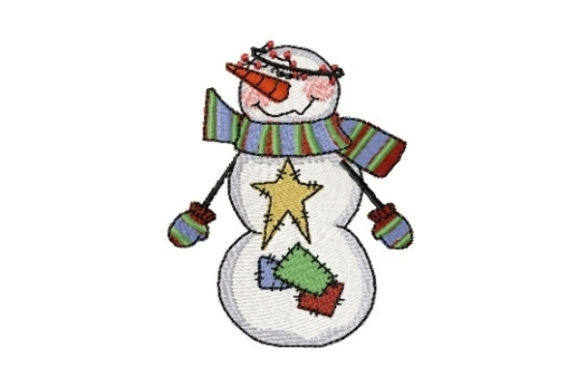
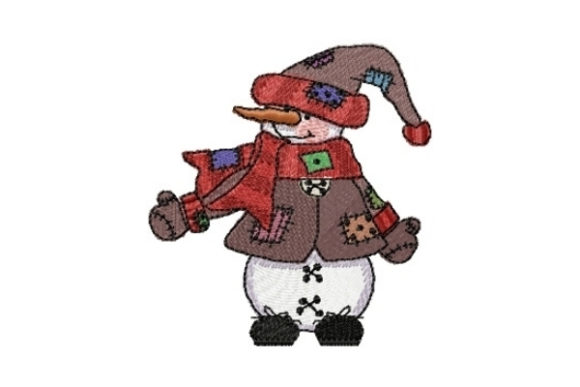
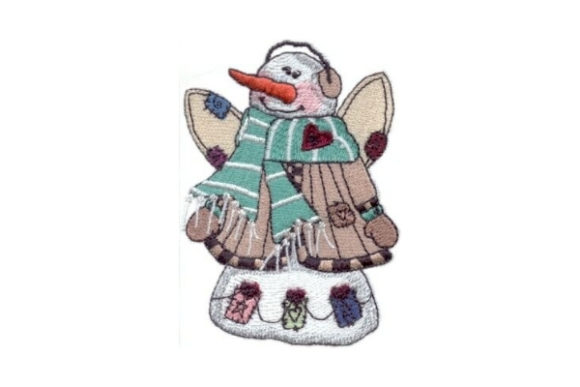
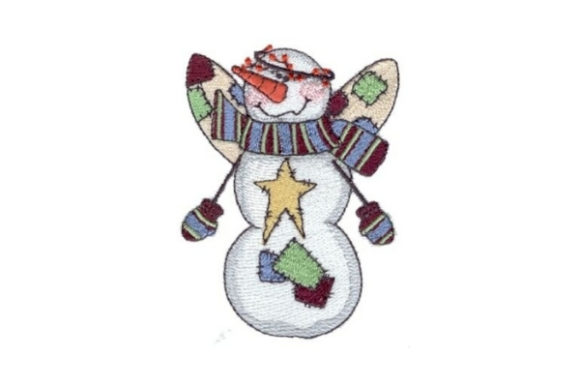
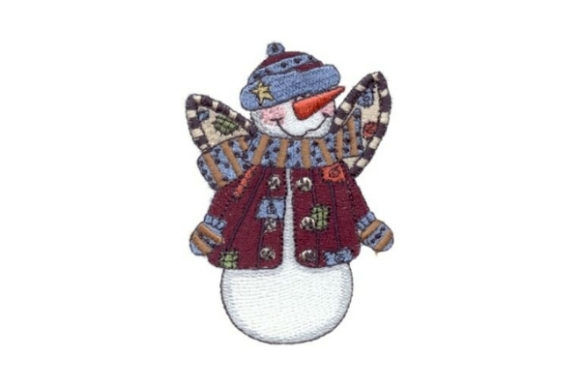
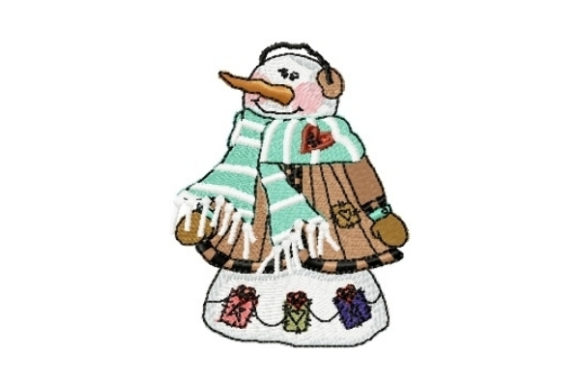
As an embroidery designer who’s tested hundreds of holiday motifs for gift shops and Etsy sellers, Snowman Zeke stood out the moment I loaded it into my software. It’s not just another snowman—it’s got personality: a tilted top hat, a softly stitched scarf that curls at the ends, and gentle button eyes that read as warm rather than cartoonish. There’s no sharp edge or aggressive detail—just approachable charm. It feels handmade, not mass-produced; seasonal without being cliché; playful but refined enough for wedding keepsakes or nursery decor. Customers drawn to soft aesthetics—think heirloom baby blankets or linen pillow covers—will instantly connect with its quiet joy.
Where Snowman Zeke Shines in Real-World Gift Making
This machine embroidery design is unusually adaptable across personalized gift categories. For baby embroidery, it reads as tender and timeless—ideal for organic cotton receiving blankets or knit onesies (when paired with appropriate stabilizer and stitch density adjustments). As a wedding gift, Snowman Zeke works beautifully on ivory linen napkins or monogrammed towel sets for couples celebrating their first winter together. I’ve used it on kitchen towels for craft fairs, where its balanced proportions fill the hoop cleanly without overwhelming the fabric. On pillow covers? It anchors the design without competing with texture. And for Etsy sellers listing digital embroidery files, Snowman Zeke pairs well with printable mockups—its clean lines photograph crisply against neutral backdrops, boosting buyer engagement before purchase.
Small shop owners will appreciate how easily it scales: small enough for a 4x4 hoop on baby bibs or tote bag tags, yet detailed enough to hold presence on a 7x12 blanket embroidery layout. It also lends itself naturally to customization—add a name below the base, swap thread colors for gender-neutral palettes (think oatmeal + slate blue), or layer it subtly behind a monogram for a custom apron or nursery wall hanging.
Where to Use Snowman Zeke Thoughtfully
Like any strong embroidery file, Snowman Zeke performs best when matched intentionally to material and purpose. Avoid using it on highly textured fabric—like thick terry cloth towels—without testing first; dense stitching may sink or distort. Likewise, stretchy baby clothes require extra stabilization and reduced stitch density to prevent puckering. On dark fabric, verify contrast: light thread colors (ivory, pale gray) pop beautifully, but avoid off-white on charcoal unless you’ve confirmed visibility in your test run.
Curved surfaces—like mugs or rounded tote handles—require repositioning or simplified placement. Don’t force it onto tight curves; instead, center it on flat panels where the design breathes. And while Snowman Zeke is joyful, it’s not minimalist—so skip ultra-small lettering integrations unless you’re confident in your machine’s capability and have verified legibility at scale. Always check the smallest details (scarf fringe, twig arms) after stitching: they should be crisp, not fuzzy or lost in underlay.
How Snowman Zeke Elevates Perceived Value & Customer Trust
In handmade product markets, emotional resonance drives sales—and Snowman Zeke delivers that quietly. It doesn’t shout “holiday!” It invites. That subtlety builds trust: customers sense care in curation, not just convenience. When a new parent orders a personalized gift and receives a blanket with Snowman Zeke delicately stitched in matte cotton thread, they don’t just see embroidery—they feel intention. That translates directly to repeat buyers, heartfelt reviews, and word-of-mouth referrals.
For Etsy sellers and digital product sellers, including Snowman Zeke in listings signals quality craftsmanship—not just another generic snowman. Pair it with lifestyle photography (a folded towel on a rustic shelf, a pillow nestled beside a storybook), and you’re selling mood, memory, and meaning—not just stitches. And because it’s inherently shareable (think Instagrammable nursery corners or cozy kitchen vignettes), it fuels organic buyer engagement far beyond the initial click.
Practical Embroidery Notes Before You Stitch
Before launching Snowman Zeke into production—whether for a custom order preview or a batch of wholesale pillow covers—follow these field-tested steps:
- Always test on scrap fabric matching your final product’s weight and weave—especially for embroidered towel or blanket embroidery projects.
- Confirm hoop size compatibility with your machine and intended item. If scaling down for baby items, ensure key features remain legible.
- Review stitch density—if your version includes dense fill areas, reduce density slightly for delicate fabrics or high-wash-frequency items like kitchen linens.
- Choose stabilizer wisely: lightweight cutaway for knits, tear-away for stable wovens, and fusible for slippery fabrics like satin-blend baby swaddles.
- Compare thread color contrast on both light and dark fabric mockups—what reads clearly on white may vanish on navy.
- Inspect small details post-stitch: use magnification if needed to verify clarity of buttons, twig arms, and scarf texture.
- Verify commercial licensing before selling finished products—this is non-negotiable for small business owners and Etsy sellers offering physical goods.
A Final Thought for Makers Who Value Meaning Over Mass Production
Snowman Zeke isn’t just another winter embroidery file—it’s a storytelling tool. Whether stitched onto a hospital-bound baby blanket, a groom’s holiday apron, or a couple’s first shared kitchen towel set, it carries warmth without sentimentality. For makers who build businesses on authenticity and attention to detail, this design supports that mission. It asks for thoughtful execution—and rewards it with customer delight, stronger branding, and gifts that get kept, not just gifted. In a season full of noise, Snowman Zeke reminds us that sometimes, the most memorable personalized gifts are the quietest ones.