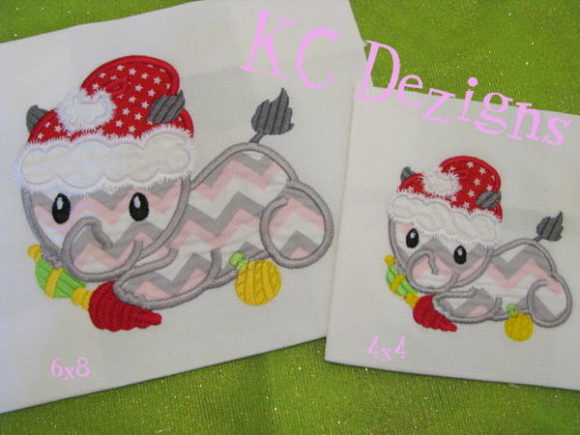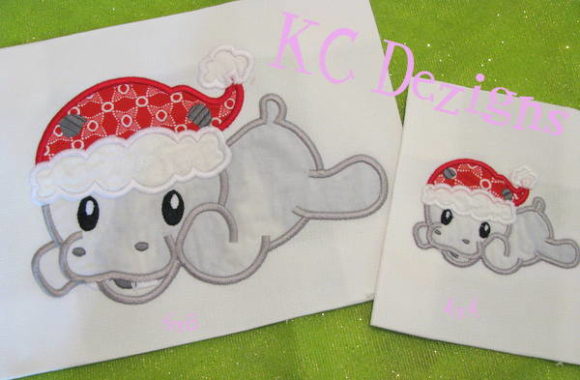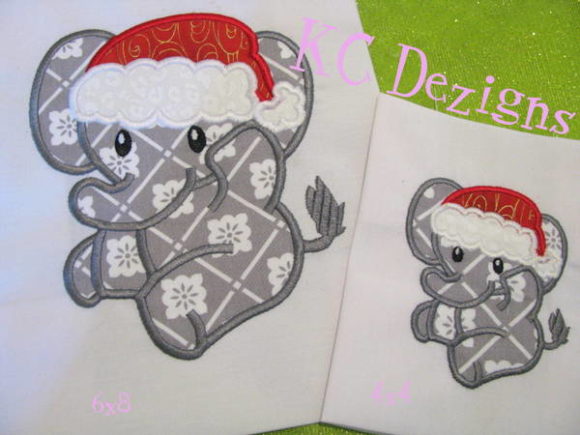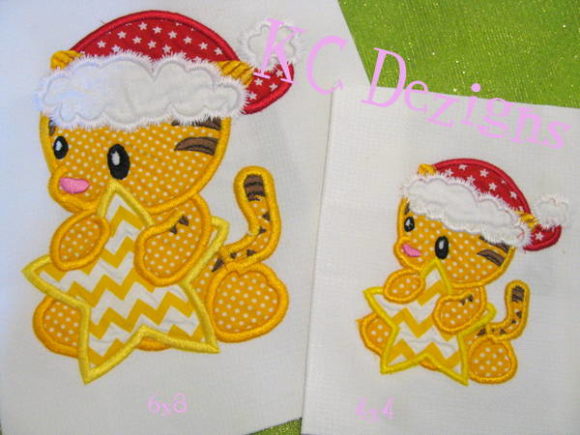
Christmas Baby Tiger Applique
First Impression: Festive, Playful, and Instantly Recognizable
As an embroidery designer who’s prepped over 200 craft fair booths, my gut reaction to Christmas Baby Tiger Applique is immediate: it’s a mood-lifter. The name alone tells a story—soft but spirited, nostalgic but fresh. It doesn’t lean into kitschy overload or minimalist restraint. Instead, it lands in that sweet spot for handmade markets: cute without being cloying, festive without needing snowflakes or tinsel, and baby-tiger charm that reads as warm, approachable, and full of personality. That’s gold at a crowded holiday market where shoppers scan tables in under three seconds.
Where Christmas Baby Tiger Applique Shines on Craft Fair Products
This machine embroidery design thrives where warmth and whimsy intersect with function. Here’s how it performs across key handmade product categories:
- Tote bag design: Works beautifully centered on the front panel of natural canvas or linen totes—large enough to read from six feet away, small enough to leave room for branding or complementary text.
- Apron embroidery: Ideal for the chest pocket or lower left corner. Its rounded shape complements curved apron hems and softens utilitarian lines.
- Tea towel embroidery: Stitches cleanly on medium-weight cotton towels—even with subtle texture—especially when paired with light thread colors against cream or oatmeal fabric.
- Embroidered patch: A standout option. Trimmed and heat-applied, this design holds detail well at 3–4 inches wide, making it perfect for denim jackets, backpacks, or gift tags.
- Fabric pouches & pillow covers: Scales elegantly—no distortion when resized between 2.5” and 5”. The tiger’s facial features remain expressive even at smaller sizes, which is rare for animal motifs.
- Caps & curved surfaces: Proceed with caution. The design’s gentle curves adapt better than angular motifs, but avoid placing near the crown seam unless you’ve tested stabilizer + hoop tension on actual caps.
What Makes This Design Sell—Beyond Cuteness
Sales don’t happen because something is “cute.” They happen because it feels intentional, well-made, and uniquely yours. Christmas Baby Tiger Applique delivers on all three:
- Visual clarity at a glance: No tiny lettering, no nested elements. Shoppers instantly recognize “tiger,” “baby,” and “Christmas” through silhouette and context—not fine detail.
- Photography-ready: Clean outlines and balanced negative space mean it photographs sharply on Etsy listings, Instagram posts, and printable mockups—even on phone screens.
- Batch-friendly rhythm: Moderate stitch density (no excessive fill areas) means faster run times, less thread breakage, and consistent results across 20+ tote bags before rethreading.
- Brand-flexible: Fits rustic farmhouse, modern cottagecore, or boutique gift shop aesthetics—just adjust thread palette (cream + forest green vs. red + charcoal) and fabric base.
Careful-Use Notes Every Embroidery Designer Should Check
Even charming designs have limits—and overlooking them costs time, fabric, and booth credibility. Before cutting your first production run, test these:
- Dense stitch areas: Check the tiger’s fur texture or scarf details—if present. Over-stitched zones may pucker on lightweight cotton or stiffen tea towels.
- Small details on textured fabric: Avoid placing on heavily looped terry cloth or thick wool blends—the design may blur or sink.
- Dark fabric contrast: If stitching on navy, charcoal, or burgundy, verify thread colors in daylight—not just screen preview. Some reds fade visually against deep backgrounds.
- Minimum legible size: Below 2 inches wide, the tiger’s facial expression risks flattening. Stick to ≥2.25” for patches or pouches.
- Hoop size & spacing: Confirm the file fits comfortably within your most-used hoop (e.g., 4x4 or 5x7). Tight margins increase shifting risk during multi-position hooping.
Why This Design Strengthens Your Booth & Brand
In a sea of generic snowmen and reindeer, Christmas Baby Tiger Applique becomes a conversation starter—not just decor. Customers pause, smile, and ask, “Is that a tiger? Is he wearing a tiny hat?” That micro-moment builds connection. On your table, it elevates perceived value: hand-embroidered = care, intention, and craftsmanship. Paired with natural fibers and thoughtful packaging, it transforms a $28 tote into a giftable handmade product worth gifting—or keeping.
For Etsy sellers and digital embroidery file shops, this design also supports cross-selling: bundle it with coordinating machine embroidery files (like “Mitten Pair” or “Holiday Tree Silhouette”) or offer it as part of a “Baby’s First Christmas” collection. Its emotional resonance makes it highly shareable—ideal for holiday email campaigns or Instagram Reels showing the stitch process.
Practical Embroidery Designer Notes Before You Produce
Don’t skip these steps—they’re non-negotiable for professional results:
- Run a test on scrap fabric matching your final product (e.g., unbleached linen for tea towels, duck canvas for totes).
- Compare thread colors in natural light—not just on screen—to ensure warmth and contrast hold up.
- Review spacing between tiger elements and outer edge; tight margins cause trimming errors during patch finishing.
- Confirm hoop size compatibility and whether the file includes multiple sizes or only one dimension.
- Inspect stitch density in high-detail zones—adjust if needed for your machine’s capability and fabric weight.
- Use cutaway stabilizer for knits or stretchy fabrics; tear-away works well for stable cottons and linens.
- Create at least one real mockup—not just a digital preview—so you see how light, shadow, and fabric drape affect perception.
- Compare thread-to-fabric color relationships across 3–4 base options (cream, sage, rust, navy) to identify your strongest combo.
- Verify commercial licensing terms before selling finished products—this is a digital embroidery file, not public domain art.
When you get it right, Christmas Baby Tiger Applique isn’t just stitched—it’s remembered. And in the handmade economy, that’s how repeat customers, word-of-mouth referrals, and craft fair loyalty are truly earned.