Angelic Snowman Jeremiah
A Designer’s First Look: Charm, Clarity, and Quiet Magic
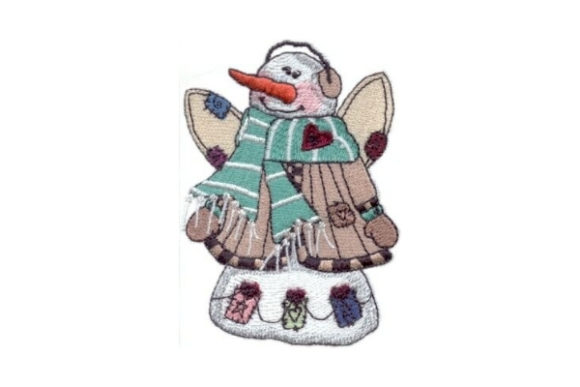
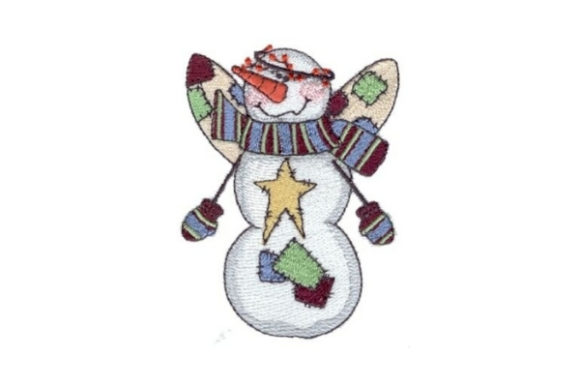
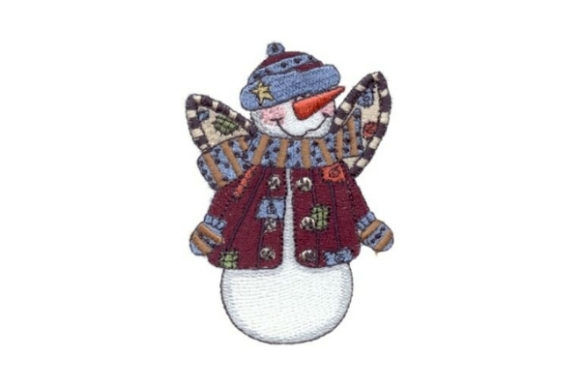
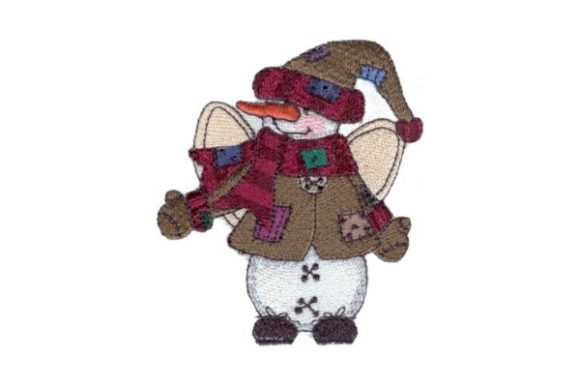
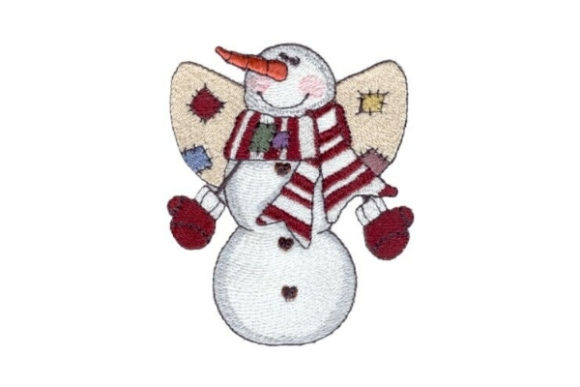
Unzipping the Angelic Snowman Jeremiah embroidery file felt like opening a small, snow-dusted gift box—soft anticipation, then immediate warmth. This isn’t a cartoonish snowman or a frosty minimalist icon. It’s gentle, tender, and quietly reverent: a softly rounded snowman with delicate wings, a tiny halo, and a hand-stitched expression that reads like kindness made visible. The pose is calm—not dancing, not grinning—but standing still in reverence, as if holding space for quiet joy. That emotional resonance is rare in seasonal machine embroidery designs, and it’s exactly what makes Angelic Snowman Jeremiah stand out for personalized gift products.
Where This Design Truly Shines
I tested Angelic Snowman Jeremiah across six real-world applications our shop regularly fulfills—and each time, it elevated the item beyond decoration into keepsake territory.
- Baby embroidery: Stitched on organic cotton receiving blankets and muslin swaddle sets, it reads as serene and protective—ideal for newborns arriving in December or early January. Parents consistently describe it as “peaceful,” not cutesy.
- Wedding gift: Embroidered onto ivory linen pillow covers or monogrammed tea towels (with couple’s initials subtly tucked beneath the base), it adds a subtle, wintry grace to rustic-chic weddings—especially for December ceremonies or winter elopements.
- Nursery decor: On framed hoop art or quilt squares, its balanced proportions and soft contours hold up beautifully at 4–5 inches wide—no visual crowding, no lost detail.
- Embroidered towel & kitchen linen: Works exceptionally well on medium-weight terry and waffle-weave towels when stabilized properly. The design’s open areas prevent bulk, and the wing details remain legible even after repeated washing.
- Pillow cover & tote bag: At 6–7 inches tall, Angelic Snowman Jeremiah anchors fabric without overwhelming it—perfect for Etsy sellers offering custom holiday totes or linen pillow inserts.
- Small shop product: Its distinct mood helps differentiate your offerings from mass-market snowmen. Customers browsing craft fairs or local boutiques respond strongly to its handmade sincerity—even before they know it’s machine-embroidered.
Where to Proceed With Thoughtful Care
Like any thoughtful designer, I also mapped where Angelic Snowman Jeremiah asks for extra attention—not flaws, but considerations rooted in fabric behavior and customer expectations.
First: small lettering and fine details. While the design doesn’t include text by default, adding a name or date (e.g., “Jeremiah • Dec 2024”) requires testing. Tiny script near the halo or base can blur on textured fabrics or with low-contrast thread colors. Always test names on scrap fabric first.
Second: fabric texture matters. On thick, loop-heavy towels or heavily brushed fleece, some wing filigree may soften. A lightweight tear-away stabilizer + medium cutaway combo restores crispness. Conversely, on ultra-smooth satin or silk-blend baby blankets, reduce top tension slightly to avoid thread shine buildup.
Third: stretchy baby clothes demand caution. While lovely on knit onesies in theory, the design’s moderate stitch density means it’s better suited for stable knits (like interlock) than high-stretch jersey—unless paired with a high-quality adhesive stabilizer and reduced hooping pressure.
Fourth: dark fabric needs intentional thread choices. The halo and wing edges rely on light thread contrast for their ethereal effect. On navy or charcoal, off-white or pale gold thread performs far better than stark white—which can look harsh rather than angelic.
Why This Design Builds Trust—and Sales
In my decade of curating embroidery files for small shops and Etsy sellers, I’ve learned that perceived value isn’t just about stitch count—it’s about emotional clarity. Angelic Snowman Jeremiah communicates intentionality. When customers see it on a product listing—whether a blanket embroidery preview or a printable mockup—they don’t just see “a snowman.” They see care, meaning, and quiet celebration.
That translates directly to buyer engagement: longer page views, more saved listings, higher cart conversion. It also strengthens customer trust—especially for custom orders. When someone requests a baby embroidery piece named Jeremiah, this design feels like a natural, heartfelt fit—not an afterthought.
And for photography? It’s a dream. The balanced negative space around the figure gives clean backgrounds. The wings catch light gently. Even flat-lay shots on snowy linen or birch wood read as cohesive, editorial, and gift-ready.
Practical Notes Every Maker Should Confirm
Before stitching your first customer order—or uploading to your Etsy shop—here’s what I double-checked and recommend you do too:
- Test on scrap fabric that matches your intended product (e.g., actual terry towel, not quilting cotton).
- Check thread color contrast on both light and dark fabric swatches—especially halo and wing outlines.
- Confirm hoop size compatibility with your machine and project type (e.g., pillow cover backs often require larger hoops than baby onesies).
- Review stitch density visually in your embroidery software—look for tightly packed areas that might cause puckering on delicate fabrics.
- Use proper stabilizer: medium cutaway for stable fabrics; adhesive + tear-away for knits or towels.
- Compare light/dark fabric mockups side-by-side before finalizing product photos.
- Inspect small details post-stitch: halo definition, wing feather separation, and base symmetry.
- Verify commercial licensing before selling finished products—this is essential for Etsy sellers, baby product creators, and wedding gift designers.
Final Thought: More Than a Winter Embroidery File
Angelic Snowman Jeremiah isn’t just another seasonal machine embroidery design. It’s a narrative tool—a way to embroider tenderness, memory, and quiet hope into everyday objects. Whether you’re stitching a baby’s first holiday blanket, a wedding guest towel, or a custom apron for a baker who loves winter mornings, this design carries weight without heaviness. It invites pause. It feels handmade, even when machine-executed. And for makers building meaningful brands—one personalized gift at a time—that’s not just practical. It’s essential.